
The local legal context
Kansas criminal matters involve the offense provisions in chapter 21 and procedural protections in chapter 22, alongside constitutional law. The charge, alleged conduct, prior history and court determine the immediate issues; a municipal citation is not the same proceeding as a state felony or federal prosecution. Investigation, arrest, release, plea negotiations and trial each have distinct consequences and should not be treated as interchangeable stages.
A person facing a Kansas investigation should preserve documents and obtain appropriately authorized defense advice before making substantive statements or contacting witnesses about disputed facts. Counsel can assess disclosure, search and seizure issues, elements of the alleged offense and available defenses. Immigration, professional licensing, employment and firearm consequences may require separate review even where a proposed resolution appears minor. Court dates and release conditions must be followed unless changed by a lawful order; private agreement with an accuser does not itself terminate a public prosecution.
Key laws & official sources
Defines Kansas criminal offenses, classifications, defenses and sentencing provisions subject to current amendments.
Addresses investigation, prosecution, criminal proceedings and procedural protections under Kansas law.
Check current Kansas session amendments, effective dates, the relevant court or agency procedure and fact-specific exceptions before acting on this general guide.
Practical next steps
- Identify the Kansas charge, court and release obligations from the actual papers.
- Preserve the agreements, notices and records supporting the requested legal outcome.
- Confirm the governing rules, responsible forum and action dates with appropriately authorized counsel.
Documents to prepare
- Summons, charge or interview documentation
- Accurate chronology and relevant records
- Existing orders and legal representation details
How Jurisiti can help
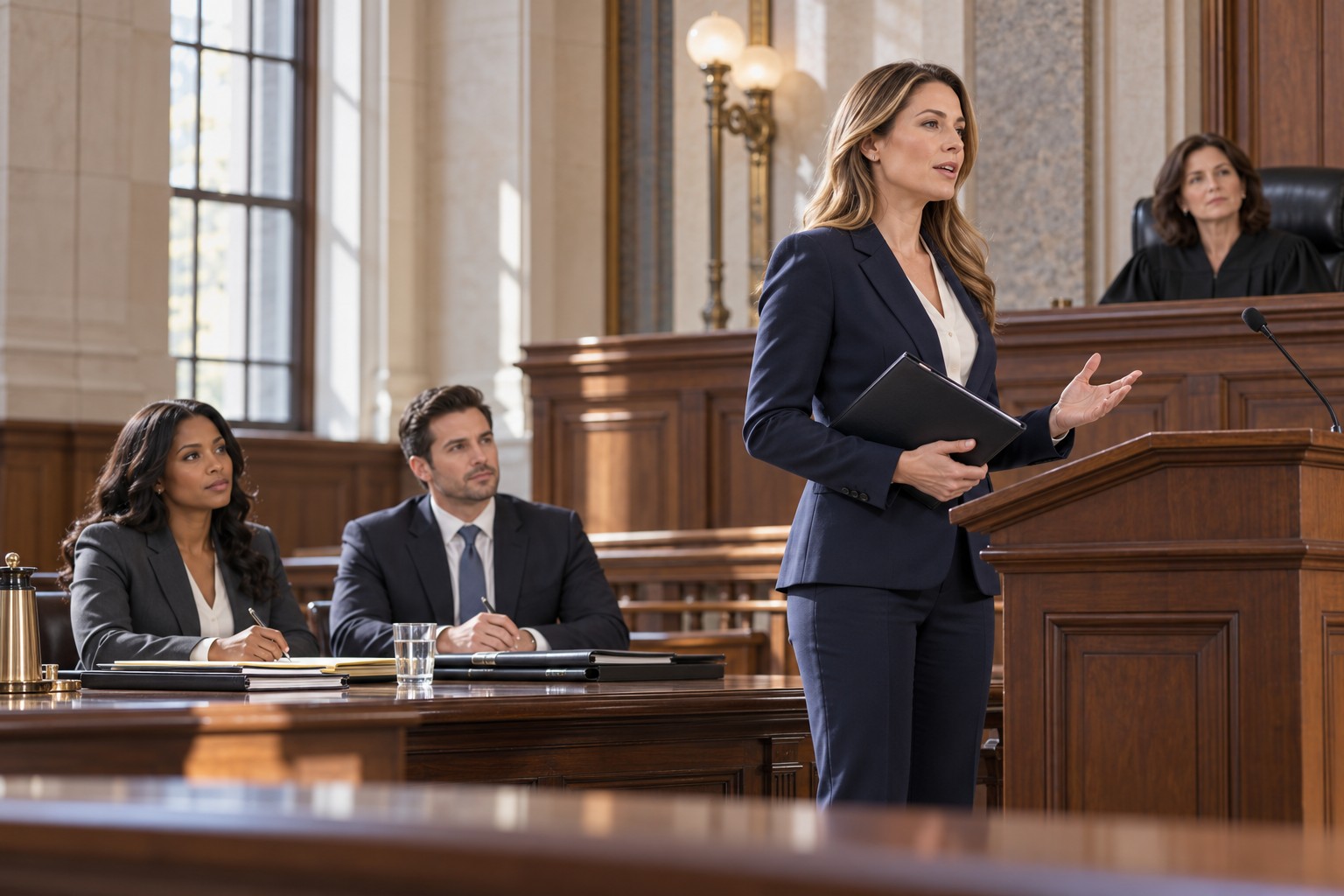
Identify whether the allegation is state, local or federal and determine the current procedural stage. Charging instruments, warrants, court orders and hearing dates require prompt attention from appropriately authorized counsel. Preserve evidence without altering records or obstructing proceedings. Criminal exposure can interact with immigration, licensing, employment and civil claims. The available defense and protective steps depend on the facts and current law; no website inquiry enters an appearance or substitutes for urgent representation.
- Early advice and investigation response
- Evidence review and defense preparation
- Court appearances through authorized practitioners
Questions about your matter
How do I inquire about criminal defense & investigations in Kansas?
Identify the state, the people involved, any proceeding or deadline, and the result you need. A short chronology and the key documents help define the proposed engagement before local professional arrangements are confirmed.
Can a cross-border matter involve more than one legal system?
Yes. Kansas may be one part of a wider matter involving another place of residence, contracting party, asset or forum. Applicable law, jurisdiction and enforcement should be assessed separately, using the relevant state, federal and interstate rules.
Does this guide establish a lawyer-client relationship?
No. An inquiry or use of this guide does not establish an engagement. Conflicts, professional authority, scope, responsibilities and fees must be confirmed before work begins.
These guides provide general legal information. The operative law, deadlines, professional permissions and scope of work are confirmed for the particular matter. Representation is subject to an agreed engagement and the applicable state license, court admission, conflicts review and authority to act. Local-counsel appointments are confirmed for the specific matter.