
The local legal context
Wisconsin circuit courts hear general civil disputes, while chapter 799 supplies specialized small claims procedures for covered matters. The correct process depends on the relief and statutory category, not simply the claimant's preference for a faster hearing. Commencement, service and jurisdiction requirements must be satisfied together, and local court directions can affect scheduling and electronic filing without replacing the governing statewide law.
A case assessment should identify the legal elements, available evidence and a realistic remedy before preparing pleadings. Wisconsin's limitations and special claim procedures may differ for contract, injury, governmental or professional disputes. Preserve source records rather than only summaries, especially where electronically stored information may change. If urgent relief is sought, explain the threatened harm and why ordinary damages may be inadequate. Settlement discussions should continue with awareness that negotiation does not automatically extend a filing or response deadline.
Key laws & official sources
Provides official court procedure, civil forms and links to specialized statutory proceedings.
Identifies small claims, eviction, replevin and service procedures through official court guides.
Verify the current Wisconsin statute, applicable exception, effective date and local or specialized procedure before relying on this overview for a legal decision.
Practical next steps
- Determine the proper civil or small claims route and verify service and timing requirements.
- Preserve the agreements, notices and records supporting the requested legal outcome.
- Confirm the governing rules, responsible forum and action dates with appropriately authorized counsel.
Documents to prepare
- Chronology and key evidence
- Court papers and proof of service
- Loss schedule and information about assets
How Jurisiti can help
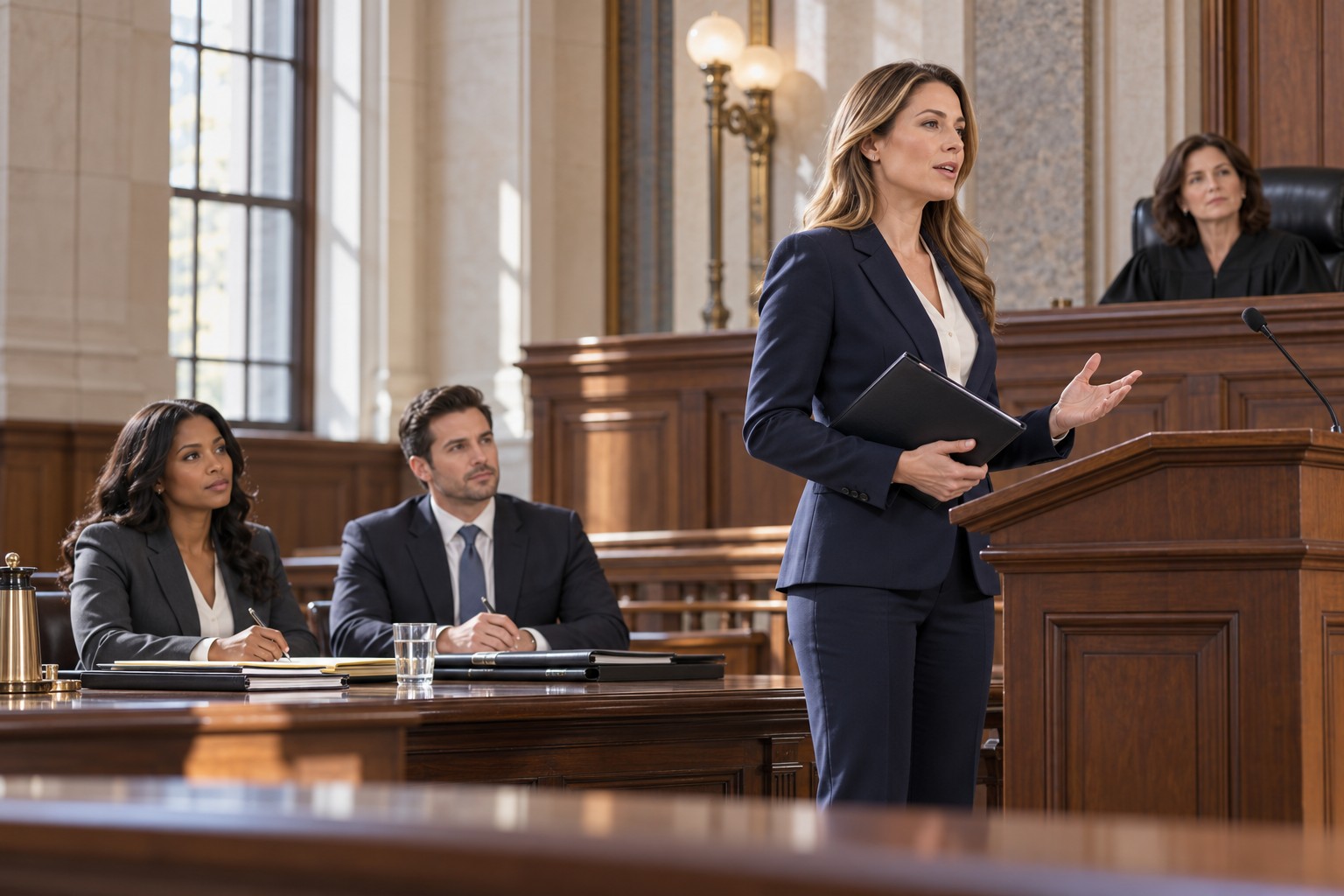
Distinguish state court from federal court before preparing a case. Subject-matter jurisdiction, personal jurisdiction, venue, service, limitation periods and removal can affect the available route. The applicable procedural rules govern pleadings, discovery, motions and trial. Preserve documents and electronic evidence promptly, and confirm local court rules, scheduling orders and counsel admission requirements. A demand letter or consultation does not itself file a case or protect a deadline.
- Jurisdiction, venue, claims and defense assessment
- Pleadings, discovery, motions and evidence
- Hearings and trial through properly admitted counsel
Questions about your matter
How do I inquire about civil litigation & court representation in Wisconsin?
Identify the state, the people involved, any proceeding or deadline, and the result you need. A short chronology and the key documents help define the proposed engagement before local professional arrangements are confirmed.
Can a cross-border matter involve more than one legal system?
Yes. Wisconsin may be one part of a wider matter involving another place of residence, contracting party, asset or forum. Applicable law, jurisdiction and enforcement should be assessed separately, using the relevant state, federal and interstate rules.
Does this guide establish a lawyer-client relationship?
No. An inquiry or use of this guide does not establish an engagement. Conflicts, professional authority, scope, responsibilities and fees must be confirmed before work begins.
These guides provide general legal information. The operative law, deadlines, professional permissions and scope of work are confirmed for the particular matter. Representation is subject to an agreed engagement and the applicable state license, court admission, conflicts review and authority to act. Local-counsel appointments are confirmed for the specific matter.