
The local legal context
Wisconsin's consumer collection rules can apply to an original merchant collecting its own debt as well as to a third-party collector. DFI specifically cautions against assuming that exclusion from the federal debt collector definition removes state obligations under chapter 427. A business invoice and a consumer credit account therefore require different initial analysis, including coverage, permitted communications and any conditions that must precede enforcement.
The creditor should reconstruct the account from the agreement, statements, payments and disputed charges. For covered consumer credit, Wisconsin Consumer Act remedies and notice requirements must be considered before repossession or litigation. The enacted expansion of Act coverage takes effect in January 2027 and should not be applied prematurely to this November 2026 overview. Any repayment arrangement should state how payments are credited and what default means, while avoiding threats of legal action that are not actually intended or legally available.
Key laws & official sources
Explains that covered consumer collection restrictions can apply to original creditors as well as collection agencies.
Explains consumer credit coverage and distinguishes the enacted expansion effective January 2027 from current requirements.
Verify the current Wisconsin statute, applicable exception, effective date and local or specialized procedure before relying on this overview for a legal decision.
Practical next steps
- Classify the debt and assess Wisconsin collection duties even when collecting your own account.
- Preserve the agreements, notices and records supporting the requested legal outcome.
- Confirm the governing rules, responsible forum and action dates with appropriately authorized counsel.
Documents to prepare
- Invoices, contracts and delivery evidence
- Account statements and payment history
- Debtor identity and available asset information
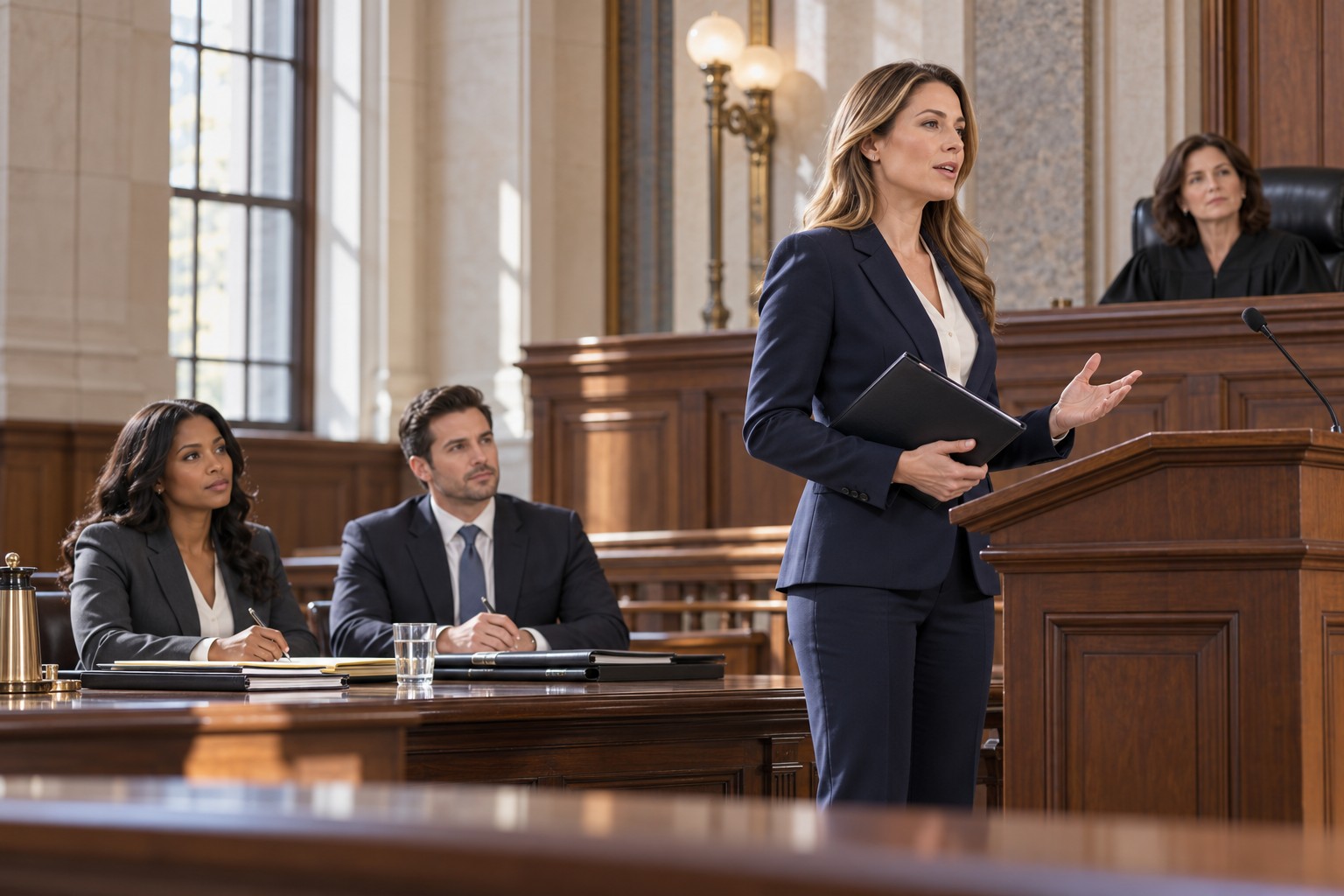
How Jurisiti can help
Confirm the debtor, creditor, contract, amount and payment history. Consumer debts may engage federal collection law, state licensing and additional conduct restrictions, while commercial obligations require their own analysis. Interest, fees and acceleration need a legal basis. Compare settlement, litigation and enforcement with the debtor’s assets and any bankruptcy stay. Collection correspondence should be accurate and proportionate, with no unsupported threat of legal action.
- Demand letters and account reconciliation
- Collection-law compliance and contested claims
- Judgment, settlement and asset-recovery strategy
Questions about your matter
How do I inquire about debt recovery & payment disputes in Wisconsin?
Identify the state, the people involved, any proceeding or deadline, and the result you need. A short chronology and the key documents help define the proposed engagement before local professional arrangements are confirmed.
Can a cross-border matter involve more than one legal system?
Yes. Wisconsin may be one part of a wider matter involving another place of residence, contracting party, asset or forum. Applicable law, jurisdiction and enforcement should be assessed separately, using the relevant state, federal and interstate rules.
Does this guide establish a lawyer-client relationship?
No. An inquiry or use of this guide does not establish an engagement. Conflicts, professional authority, scope, responsibilities and fees must be confirmed before work begins.
These guides provide general legal information. The operative law, deadlines, professional permissions and scope of work are confirmed for the particular matter. Representation is subject to an agreed engagement and the applicable state license, court admission, conflicts review and authority to act. Local-counsel appointments are confirmed for the specific matter.